

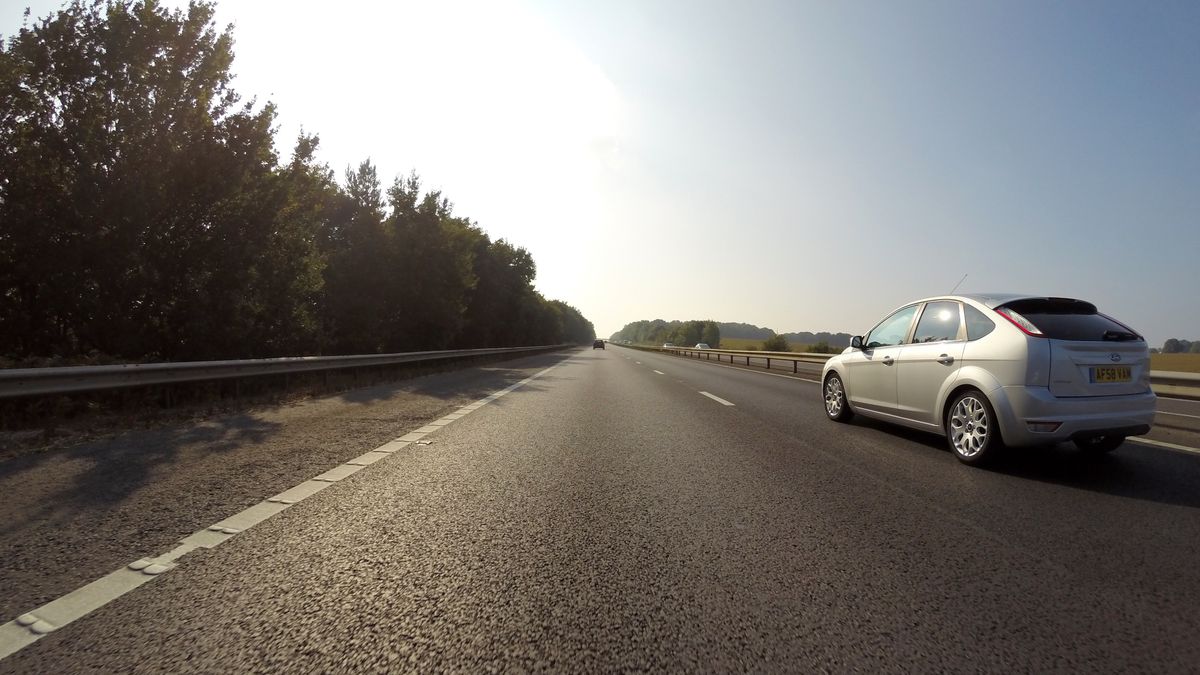
Driving Safely Around Drivers with Poor Driving Behaviour
When you get behind the wheel, you can control how you drive — but you cannot control how others do. Poor driving behaviour from other road users is one of the biggest hazards you will face, and knowing how to respond to it calmly and safely is a skill every driver must develop.
At ENA Driving School, we teach our learners not just how to pass their test, but how to stay safe for life. Part of that means learning how to share the road with aggressive, distracted, and unpredictable drivers.
Common Examples of Poor Driving Behaviour

- Tailgating — following too closely and putting pressure on the driver ahead
- Speeding — driving above the speed limit or too fast for conditions
- Failing to signal — changing lanes or turning without warning
- Aggressive driving — cutting in, road rage, flashing lights aggressively
- Distracted driving — using a phone, eating, or being inattentive at the wheel
- Running red lights — jumping lights at junctions and roundabouts
Defensive Driving Techniques to Keep You Safe
1. Maintain a Safe Following Distance
Always keep the two-second rule — at least a two-second gap between you and the car in front. If someone is tailgating you, resist the urge to speed up. Instead, increase your own gap to the car ahead so you have more time to brake safely.
2. Stay Calm and Avoid Reacting
Reacting to aggressive drivers with anger only escalates the situation. Stay calm, avoid eye contact with aggressive drivers, and do not make any gestures that could inflame things. Your priority is always to get home safely.
3. Check Your Mirrors Regularly

Good defensive driving means using your mirrors constantly — not just when you are about to manoeuvre. Check your rear-view and side mirrors every 5–8 seconds so you always know what is behind and beside you. This gives you more time to react if another driver behaves unexpectedly.
4. Never Assume — Always Observe
Never assume another driver will signal, give way, or stop at a junction. Always wait and observe before committing. This is especially important at roundabouts, junctions, and pedestrian crossings.
5. Give Aggressive Drivers Space
If someone is driving aggressively near you — weaving, speeding, or tailgating — the safest thing to do is create distance. Slow down gradually, let them pass, and do not engage. It is not worth the risk.
Hazard Awareness and Your Driving Test
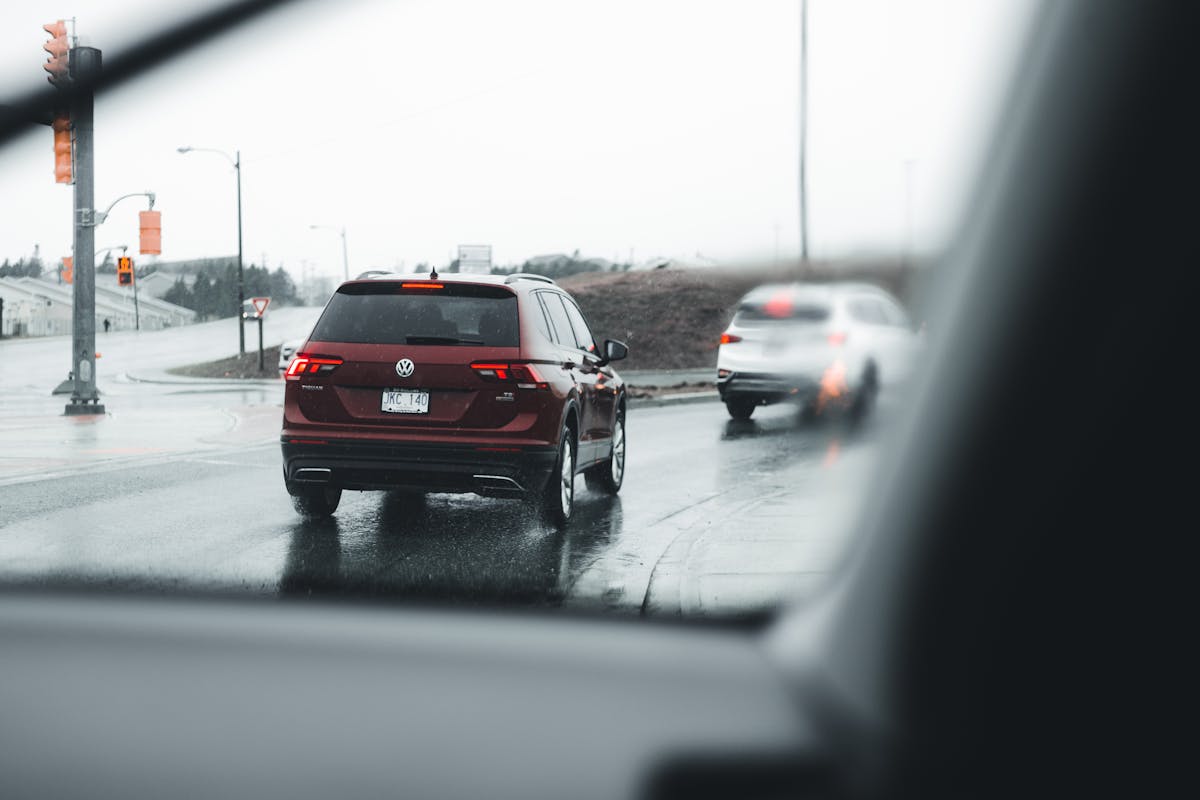
Hazard awareness is formally tested as part of the UK driving test process — both in the hazard perception section of the theory test and observed during your practical test. Examiners want to see that you can identify and respond to developing hazards, including poor behaviour from other drivers.
Ready to Become a Safer Driver?
At ENA Driving School, we don’t just teach you how to pass your driving test — we teach you the skills needed to stay safe for life.
Whether you’re a complete beginner or preparing for your practical test, our professional lessons will help you develop confidence, awareness, and defensive driving skills.
📞 Contact ENA Driving School today to book your lessons.
No Comments