

Winter Driving in the UK: 12 Essential Tips to Stay Safe on the Road
British winters bring shorter days, heavy rain, fog, frost, ice and occasional snow. Whether you are a learner driver or have years of experience behind you, winter conditions demand extra care, preparation and patience. Our instructors at ENA Driving School teach winter driving skills every year — here is their advice.
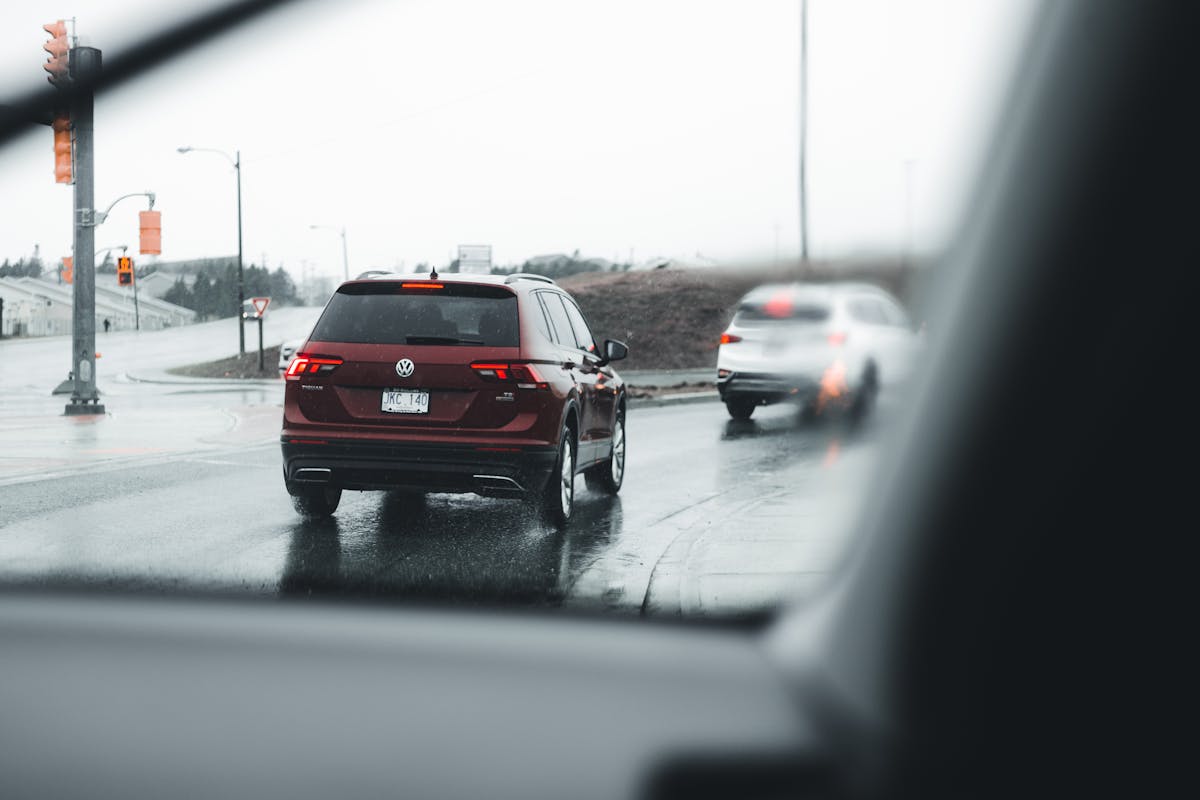
Essential Winter Car Checks
1. Check Your Car Before Winter Starts
A few minutes of checks can prevent a breakdown on a cold morning. Before the winter season sets in, check your battery (cold weather puts it under strain), lights, indicators and brake lights, wiper blades and washer fluid (use screenwash rated for low temperatures), and your oil, coolant and antifreeze levels.
2. Check Your Tyres
Tyres are your only contact with the road. The legal minimum tread depth in the UK is 1.6mm, but many experts recommend at least 3mm in winter for better grip on wet and icy roads. Check your tyre pressures regularly too — cold air lowers them.
3. Clear Your Whole Windscreen and All Windows
Driving with poor visibility can lead to a fine and points on your licence. Before setting off, clear ice and frost from every window, mirror and light, and clear snow from the roof. Use a proper scraper and de-icer. Avoid pouring hot water on glass, as it can crack the windscreen. Never leave your car running unattended while it defrosts — it is a security risk and could invalidate your insurance.

Driving Safely in Winter Conditions
4. Allow Extra Time for Every Journey
Rushing causes accidents. Check the weather and traffic before you leave, and give yourself plenty of extra time. If conditions are severe and your journey is not essential, consider delaying it.
5. Increase Your Stopping Distance
The Highway Code warns that stopping distances can be up to ten times longer on icy roads. Leave a much bigger gap to the vehicle in front, and brake gently and early.
6. Drive Smoothly
Smooth driving is safe winter driving. Use gentle steering, braking and acceleration. In slippery conditions, set off in a higher gear (second gear in a manual car) to reduce wheelspin, and use lower gears to slow down rather than braking hard.
7. Know What to Do If You Skid
If your car skids, stay calm. Take your feet off the pedals, steer gently in the direction you want the front of the car to go, and avoid sudden braking. Your instructor can talk you through this in more detail during lessons.
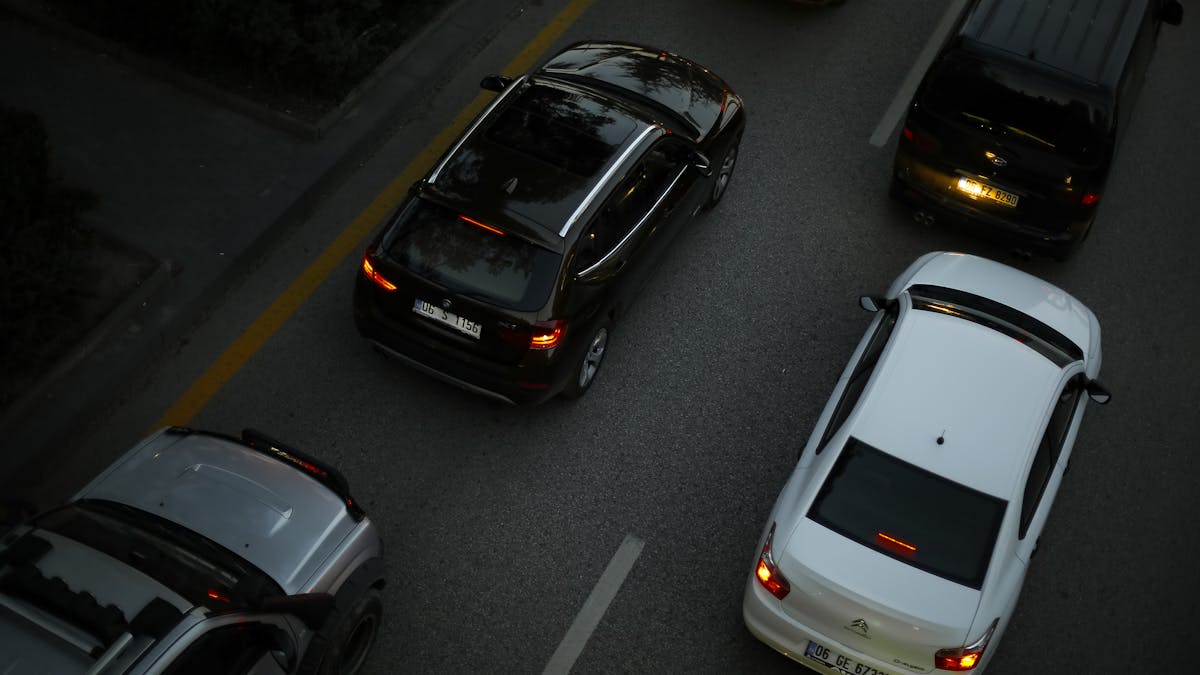
Handling Specific Winter Hazards
8. Driving in Rain and Flooded Roads
Rain is the most common winter hazard in the UK. Slow down to reduce the risk of aquaplaning, use dipped headlights, and avoid driving through flood water unless you know it is shallow. Even shallow floods can damage your engine. After driving through water, test your brakes gently.
9. Driving in Fog
Fog can reduce visibility suddenly. Use dipped headlights, slow down and increase your following distance. Use fog lights only when visibility drops below about 100 metres, and switch them off when it improves — leaving them on can dazzle other drivers.
10. Watch Out for Low Winter Sun
The low sun on winter mornings and afternoons can cause serious glare. Keep a pair of sunglasses in the car, keep your windscreen clean inside and out (dirt makes glare worse), and use your sun visor.
11. Take Extra Care in the Dark
With early sunsets, much of your driving will happen after dark. Make sure your headlights are clean and correctly aimed, and be extra alert for pedestrians, cyclists and animals — especially on rural roads.
12. Pack a Winter Emergency Kit
Keep these in your car between October and March:
- Ice scraper and de-icer
- Torch and spare batteries
- Warm clothes, blanket and sturdy footwear
- Fully charged phone and in-car charger
- Jump leads and a first aid kit
- Water and snacks
- Hi-vis jacket and warning triangle

Winter Driving for Learner Drivers
Learning to drive in winter can feel daunting, but it is one of the best ways to build real-world confidence. Experiencing wet roads, darkness and changing weather with a qualified instructor helps you become a more adaptable, safer driver. Your instructor will adjust your lesson to the conditions and will not put you at risk.
Frequently Asked Questions
Is it legal to drive with snow on my car roof?
There is no specific law about roof snow, but it can fall and obscure your view or endanger other road users, which can lead to prosecution for careless driving. Always clear it off before setting off.
Do I need winter tyres in the UK?
They are not a legal requirement, and many UK drivers manage with good-quality standard or all-season tyres. Winter tyres can improve grip in cold, wet and icy conditions, particularly in rural or hilly areas.
Can I take my driving test in winter?
Yes, but tests may be cancelled or rearranged in severe weather. DVSA will contact you if this happens.
What should I do if I get stuck in snow?
Stay with your vehicle if it is safe, keep warm, and call for breakdown assistance. Avoid spinning your wheels, which digs you in deeper.
Learn to Drive With Confidence All Year Round
At Ena Driving School, our patient, DVSA-approved instructors help learners in Slough, Uxbridge and surrounding areas master every kind of driving condition — including winter.
📞 Call Ena Driving School: 07719 160827
Ena Driving School – Learn to Drive with Confidence.
No Comments